Feb 12 2010

Climate Change in Latin America

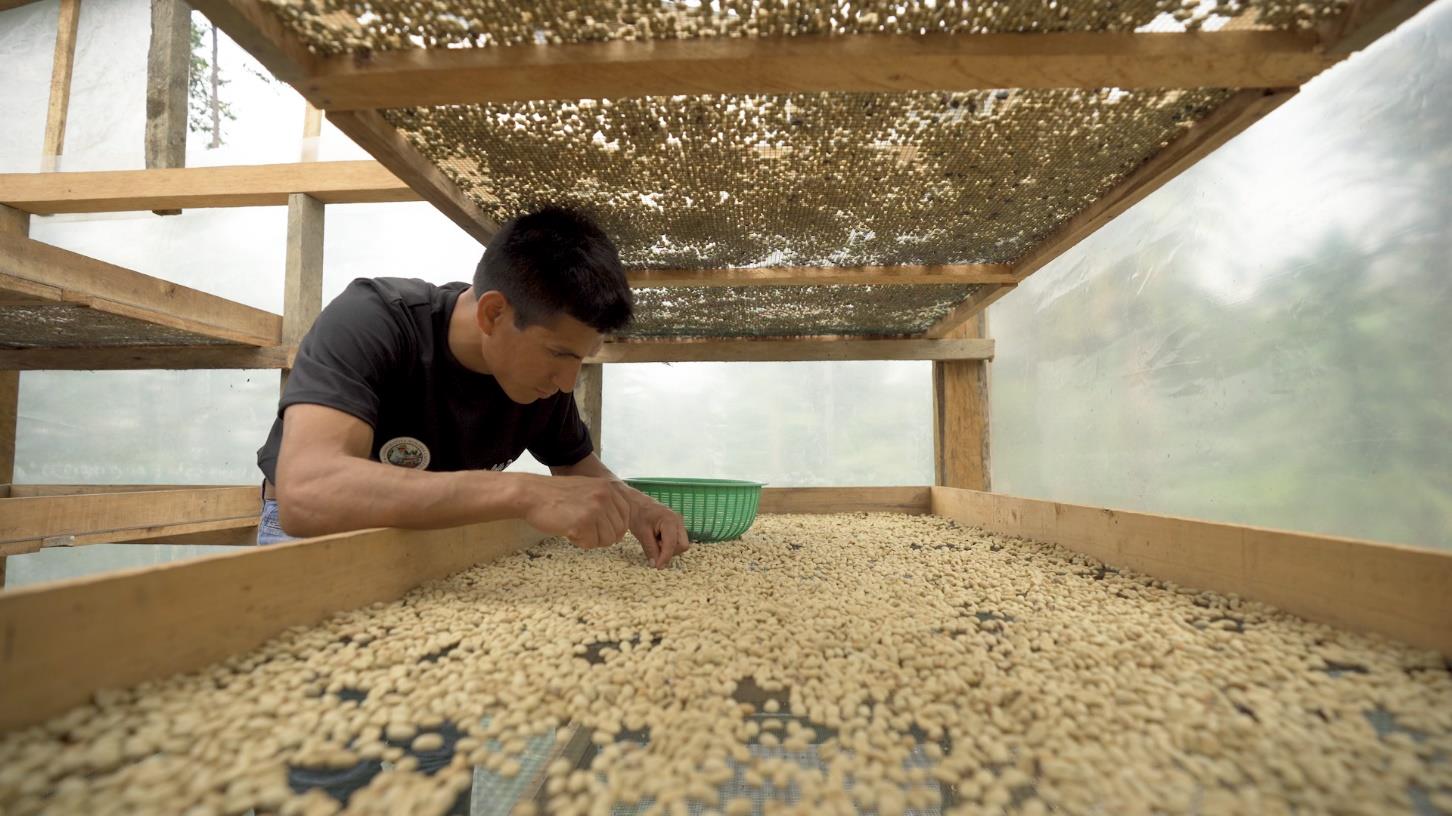
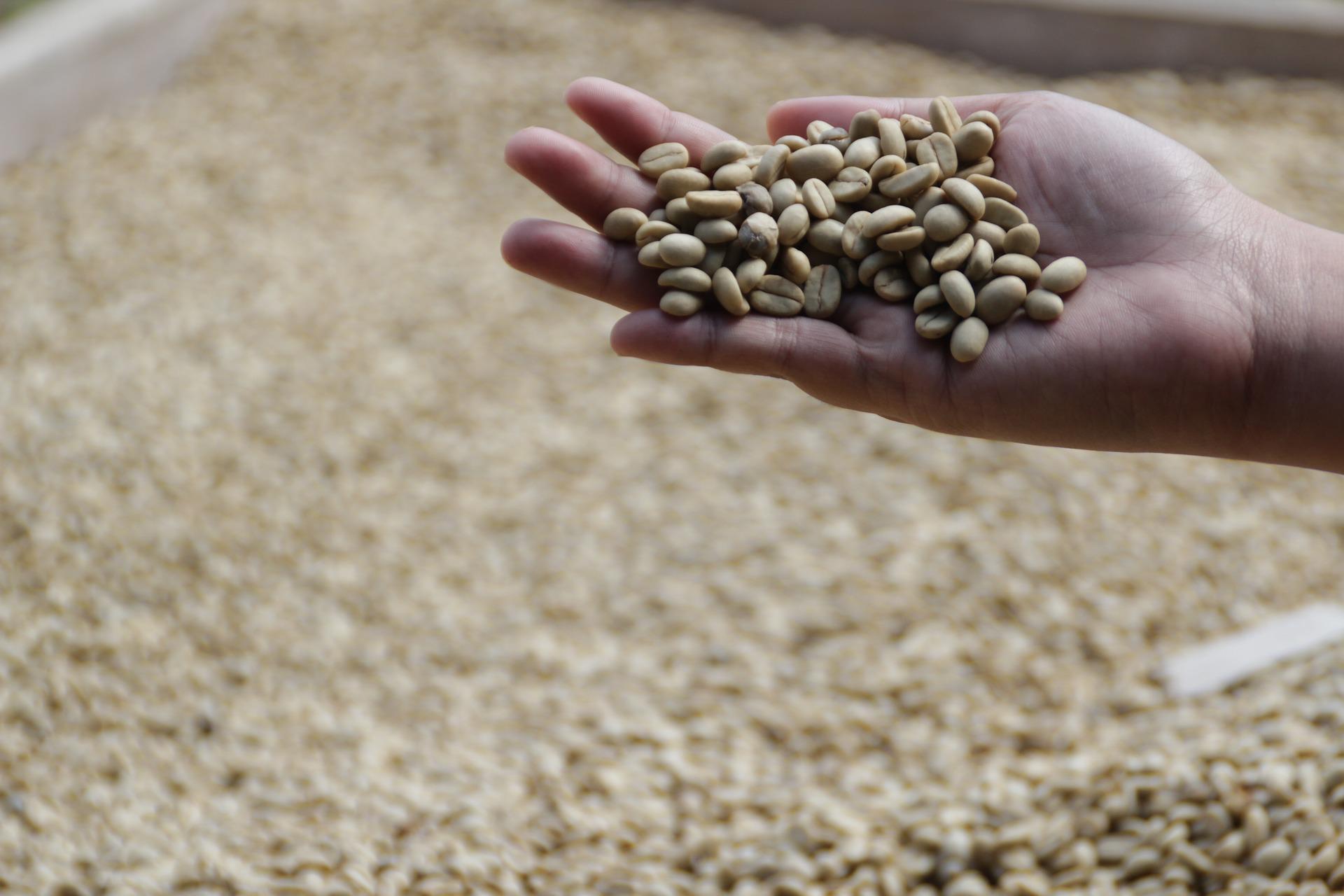
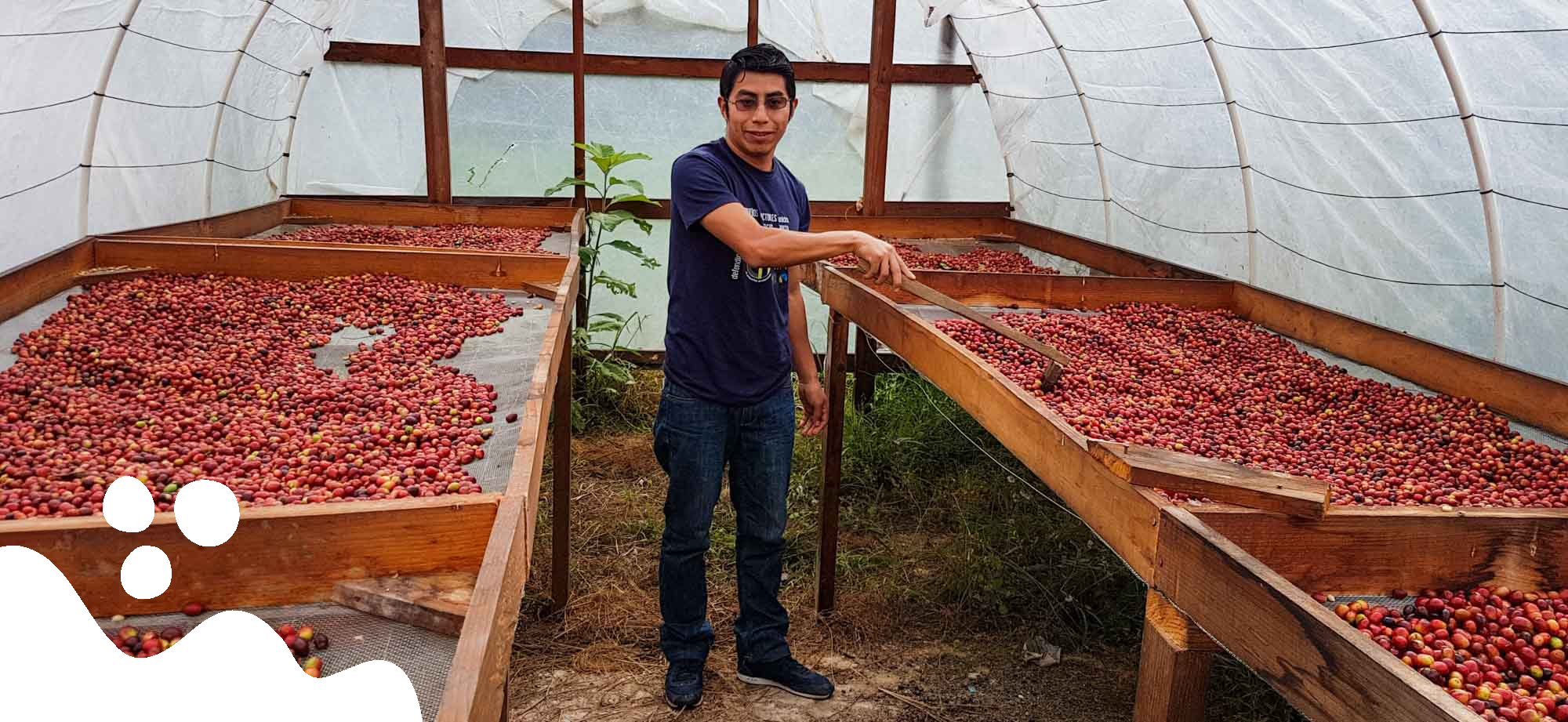
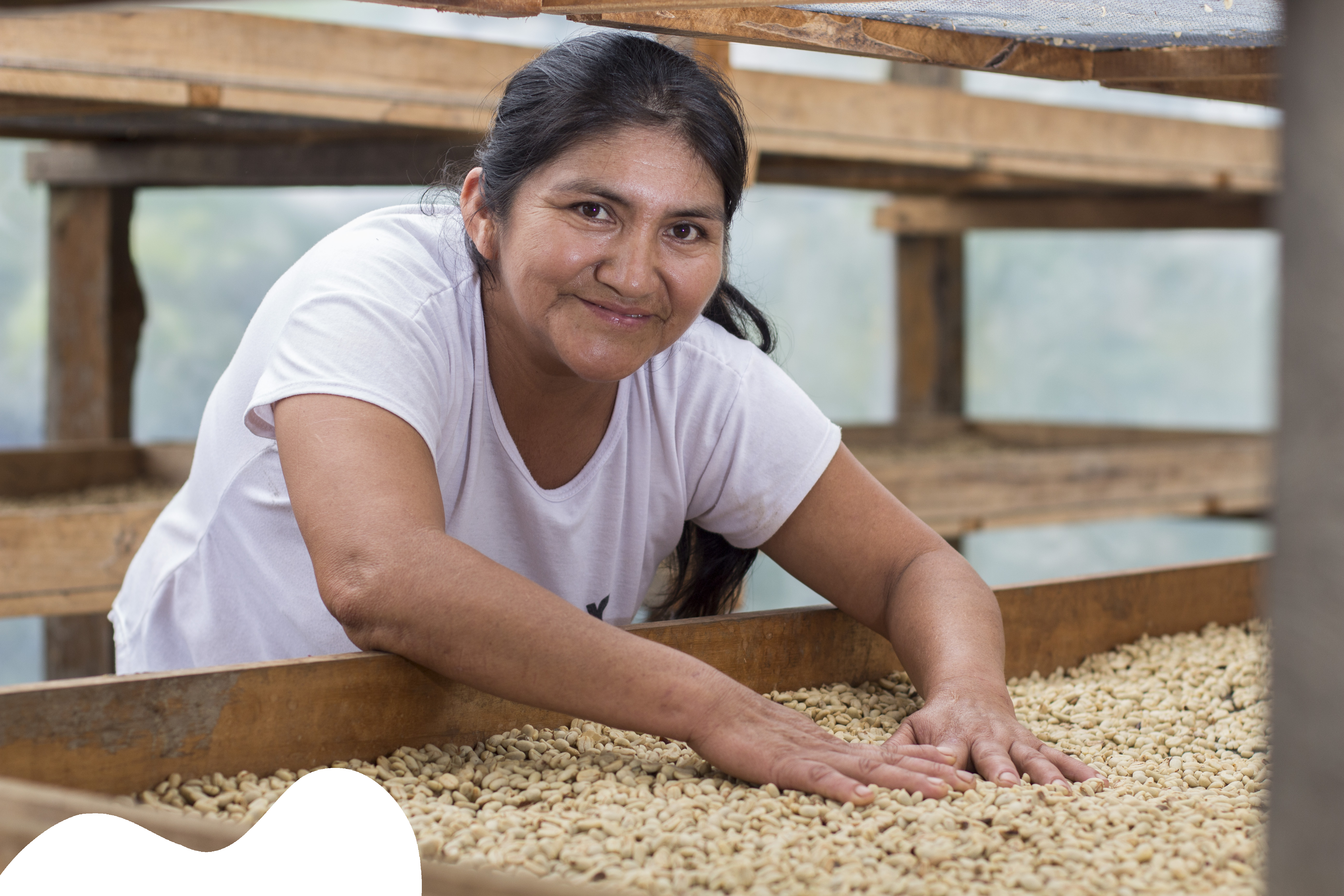
Honey coffee drying at Las Lajas farm

Honey coffee drying at Las Lajas farm

In coffee growing regions throughout the world, the effects of climate change are beginning to threaten farmers’ livelihoods established through generations of hard work. In many countries, producers are taking note and seeking ways to mitigate the worst impacts of climate change.

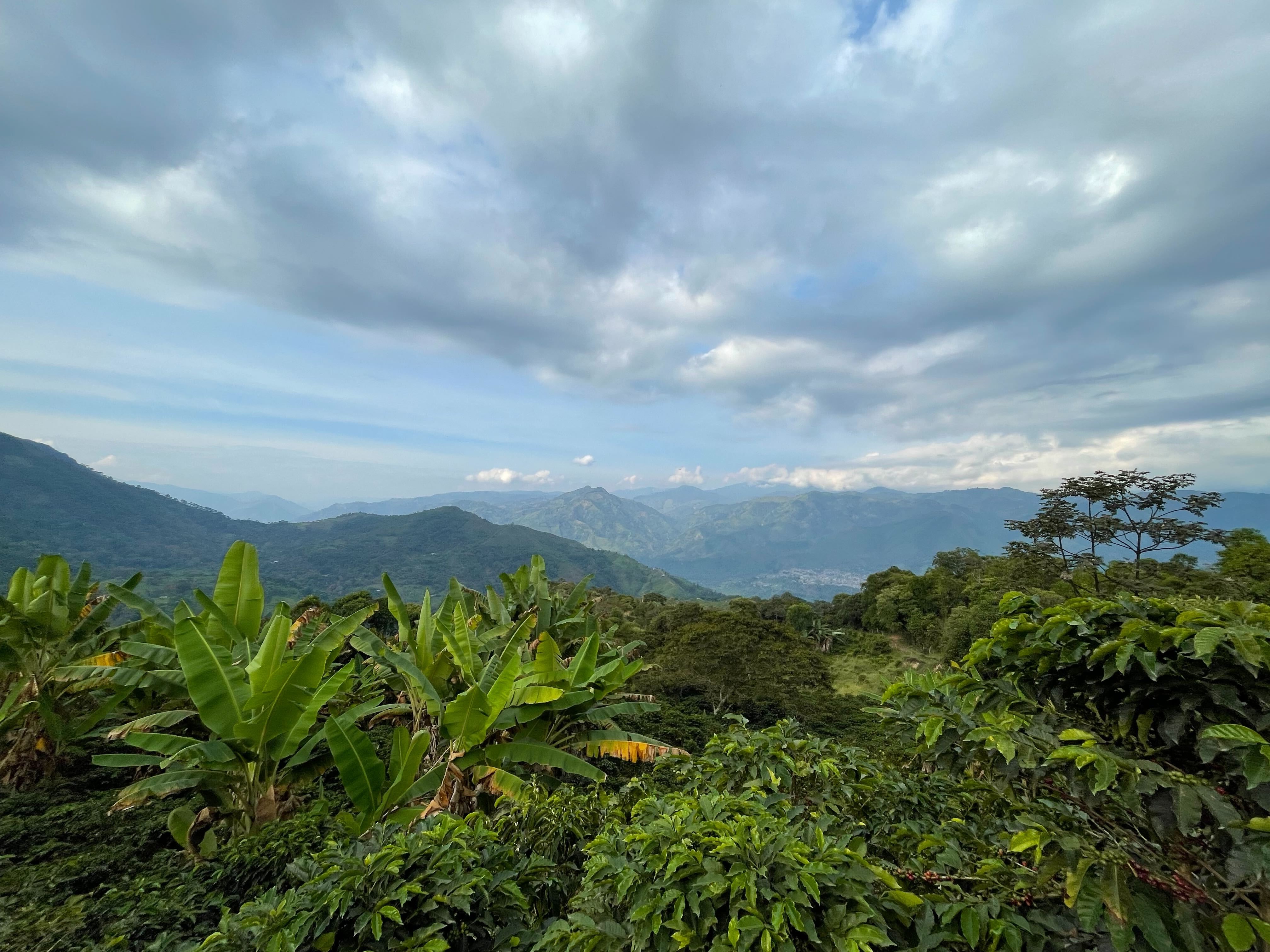
In Colombia, severe weather over the past few years has resulted in the lowest coffee yield in more than three decades. Warming weather contributed to heavier rainfall during the wet season, causing the growth of leaf rust on coffee plants and worsening beetle infestations. As climate change continues, Colombian coffee farmers are faced with difficult choices in the years ahead: expensive preventative measures may raise coffee prices but switching to hardier varieties can decrease cup quality. The farmers’ decisions will affect the global coffee market.

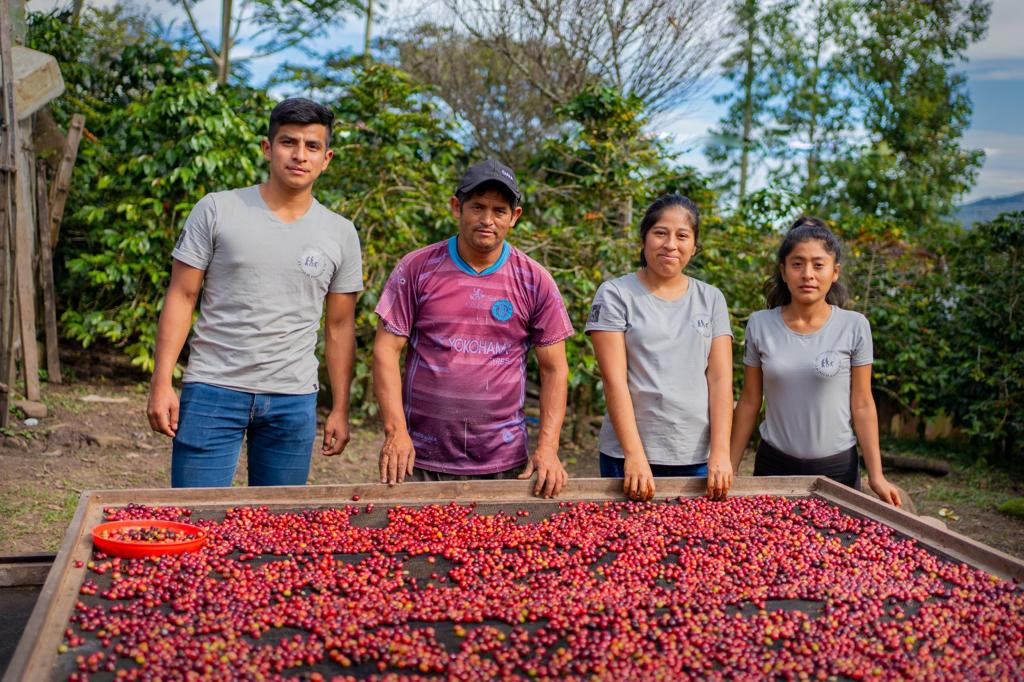
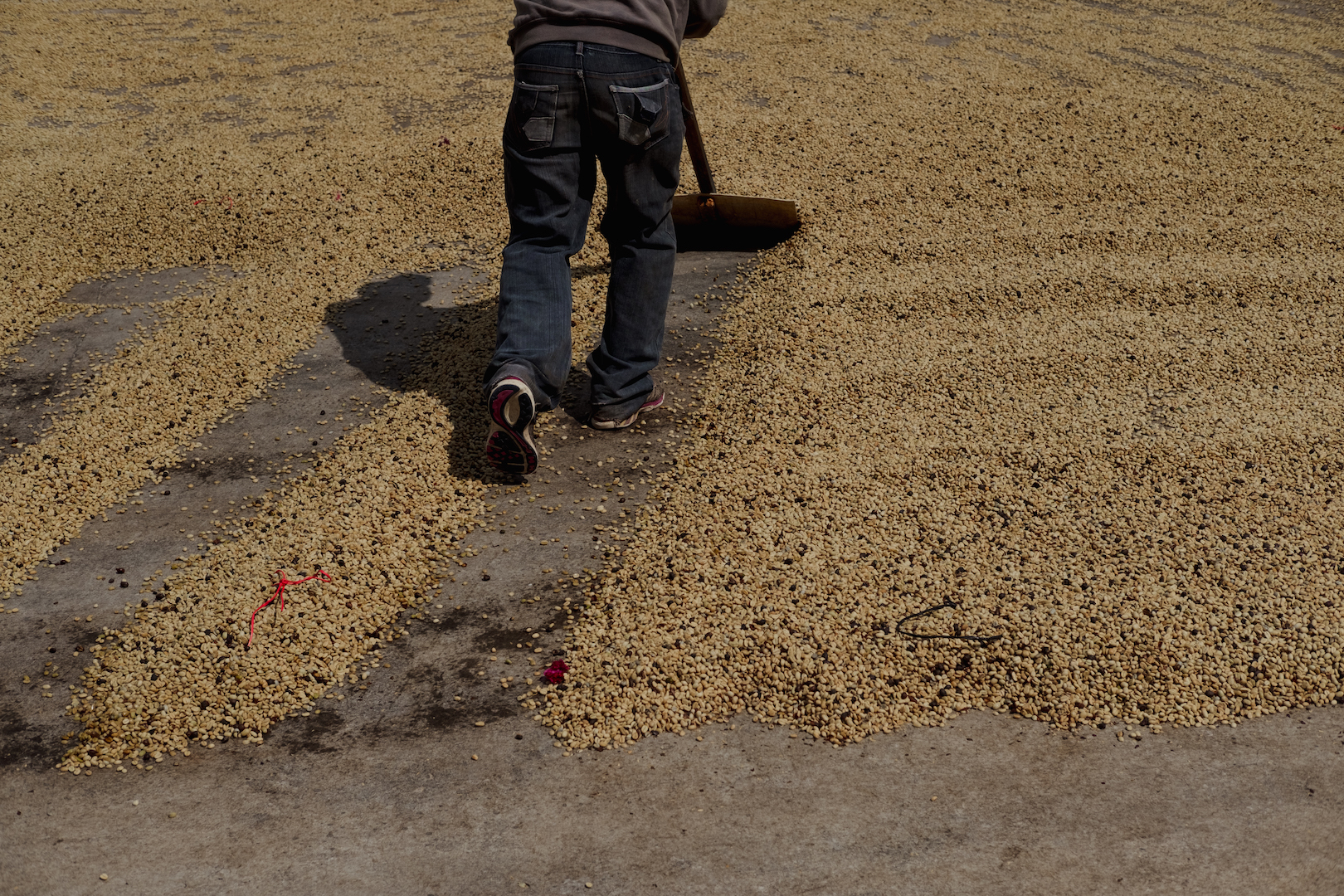
In Costa Rica, Sustainable Harvest’s supplier partners face similar challenges as a result of climate change. Coffee farmer Minor Corrales, a member of the AFAORCA farmers’ association in Tarrazú, has seen the regular patterns of rain and sun that his father and grandfather relied on for decades replaced by more unpredictable and extreme weather. The region experienced unusually warm weather last December and January, resulting in an earlier harvest as cherries ripened faster than normal. North of San José, the family-owned farm Las Lajas sells a sun-dried honey coffee that is increasingly difficult to produce as periods of sunlight become less predictable and consistent.

Across coffee growing regions of Latin America, the timing of planting, harvest, and drying carefully honed over generations to produce the best yield and quality for each unique micro-climate may no longer be applicable. Although many farmers have so far been able to adapt to minor deviations from normal temperature and rainfall patterns, the increasing pace of such changes will make it more difficult to adjust in the future.

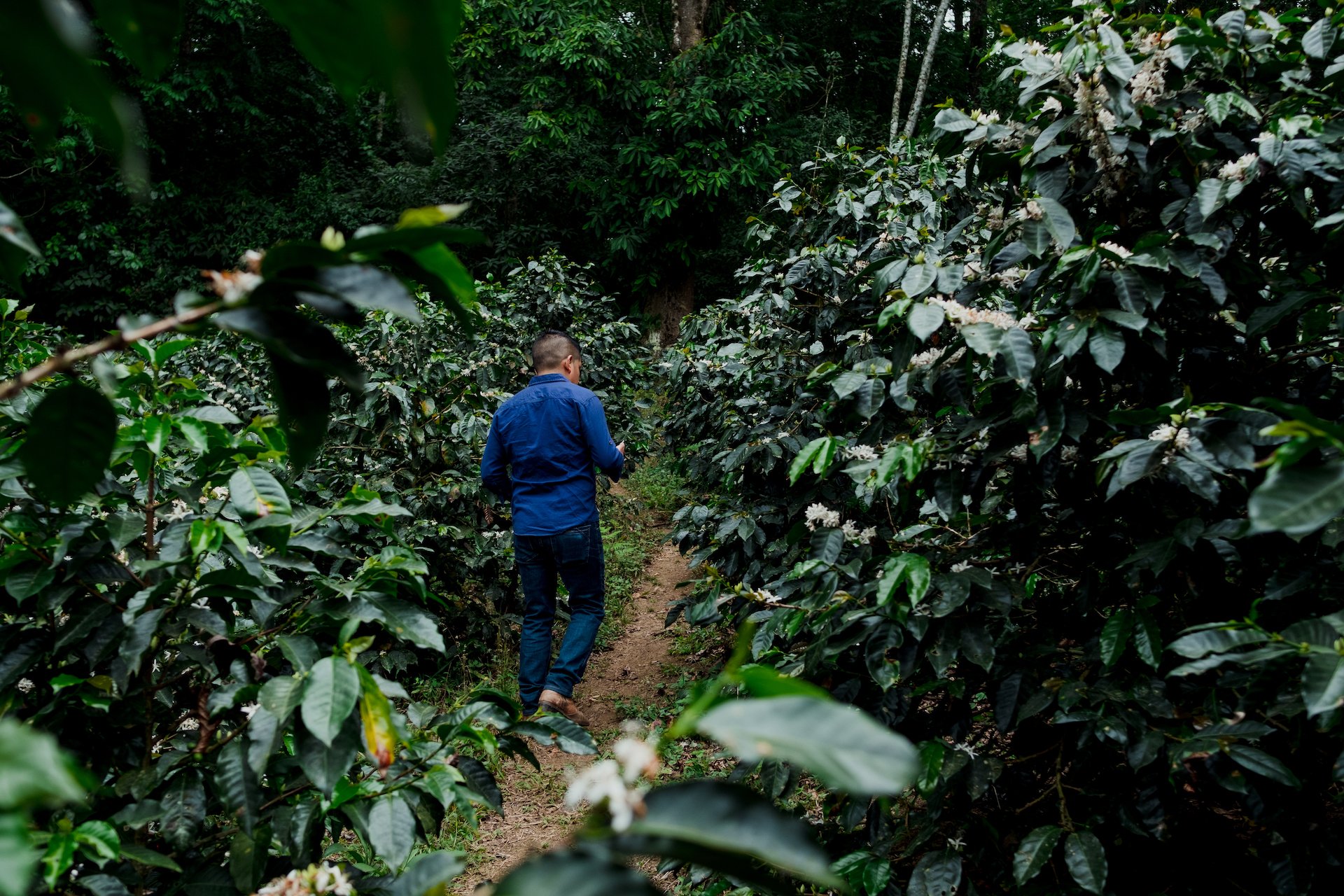
Harvesting shade-grown coffee

Harvesting shade-grown coffee

Sustainable Harvest is working with farmers and other stakeholders to identify ways to reduce the impact of climate change on coffee growing communities. In unforested areas, one possible approach is to plant shade trees over coffee plants to reduce local temperature variations. Both environmental and economic measures are necessary. By establishing transparent market linkages, providing training in quality, and assisting with organic or Fair Trade certifications that bring higher prices, Sustainable Harvest also helps ensure that farmers have the income security to survive a poor harvest. We’re also helping farmers in Central America diversify their farms with special attention to improving their families’ food security. That way, even if the coffee yield is lower in a given year, farmers will still be able to adequately feed their families. Although climate change poses significant challenges to coffee farming communities, we hope to reduce those risks through collaborative efforts to find, introduce, and support innovative approaches in Latin America and worldwide.

  • Share/Bookmark

One response so far

One Response to “Climate Change in Latin America”

  1. [...] here to read the full post from their [...]

Trackback URI | Comments RSS

Leave a Reply

You must be logged in to post a comment.