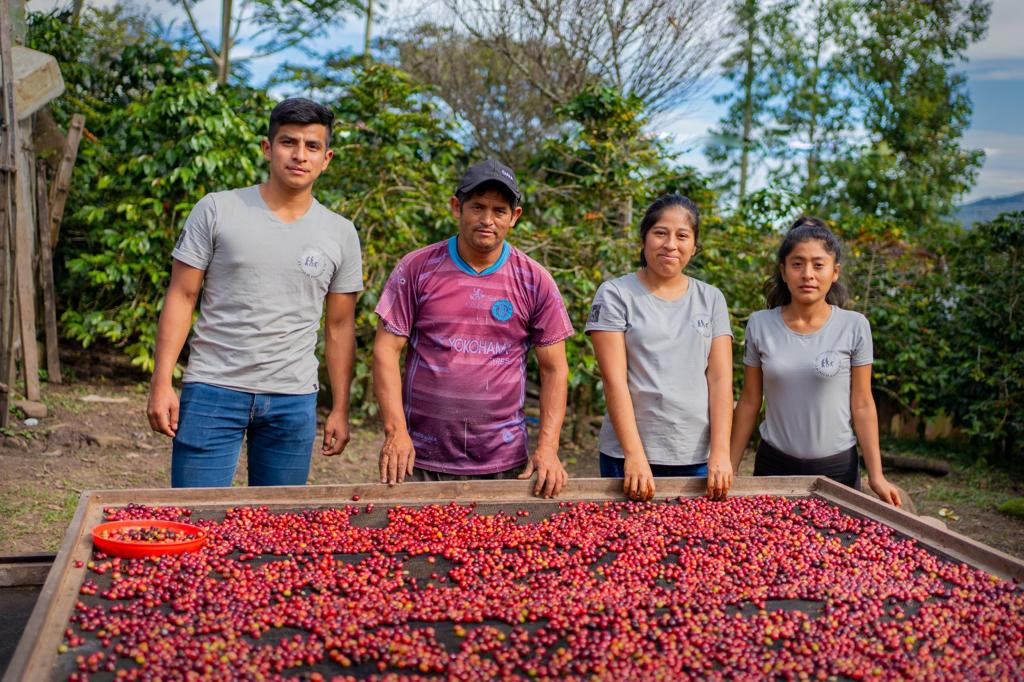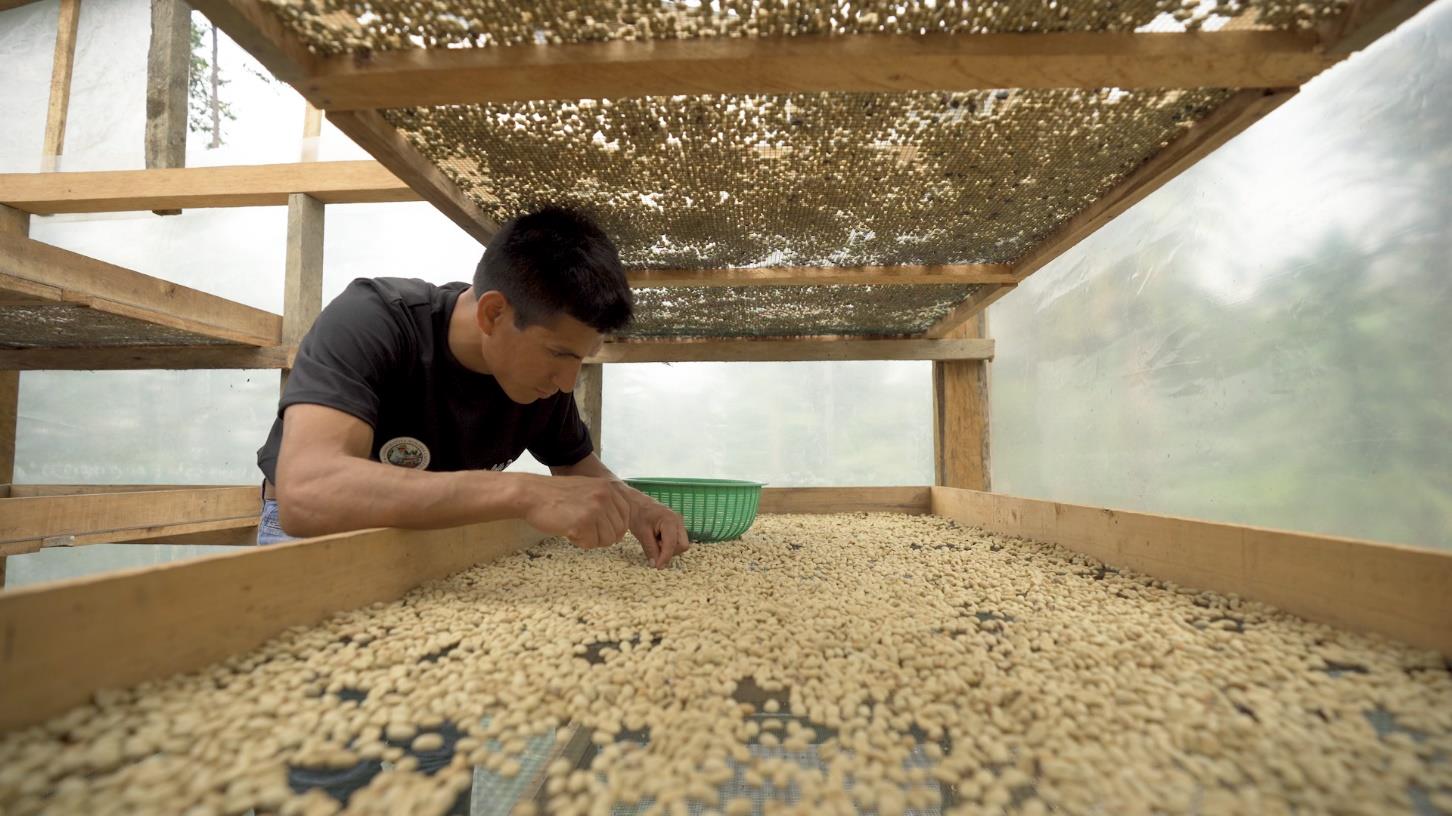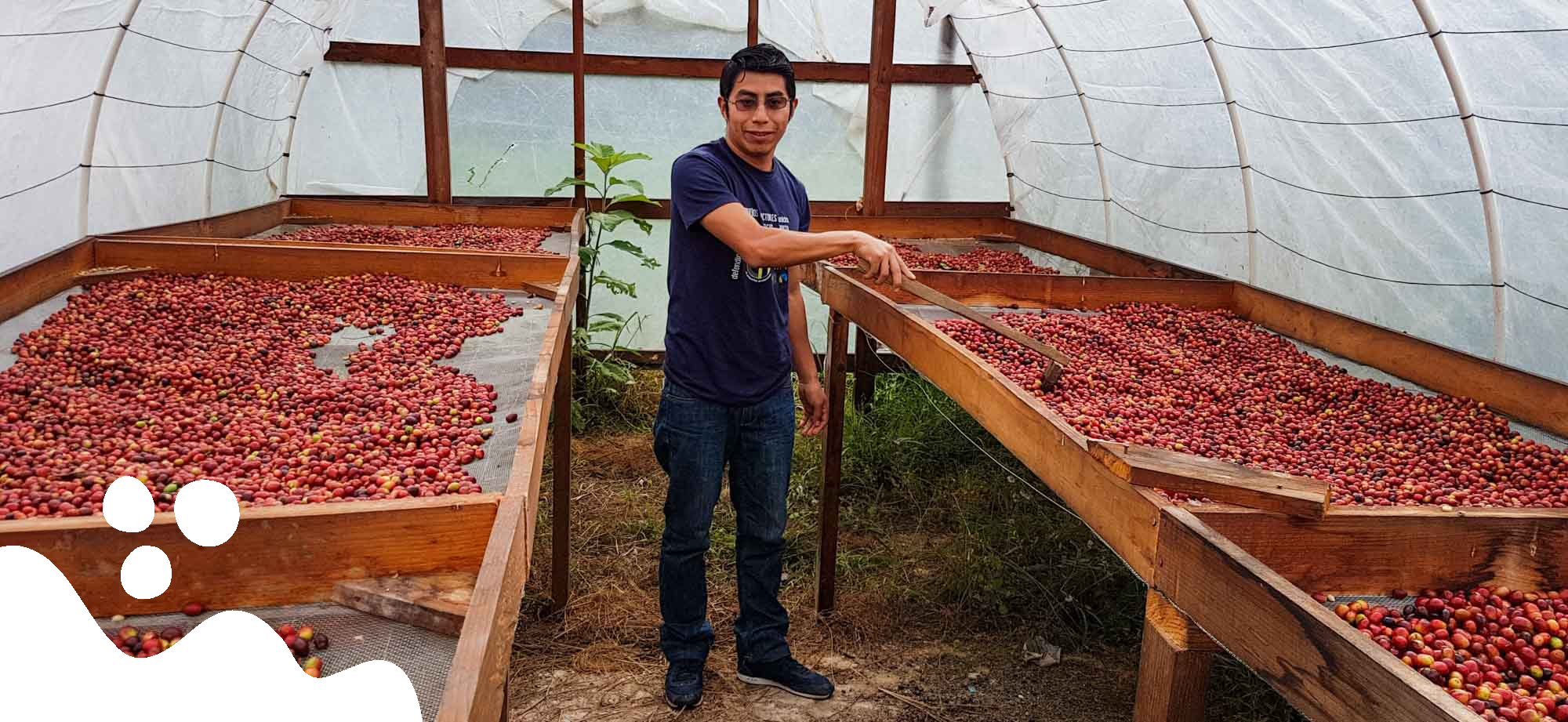
Thangale teaches Burundian farmers about best practices for drying coffee parchment.
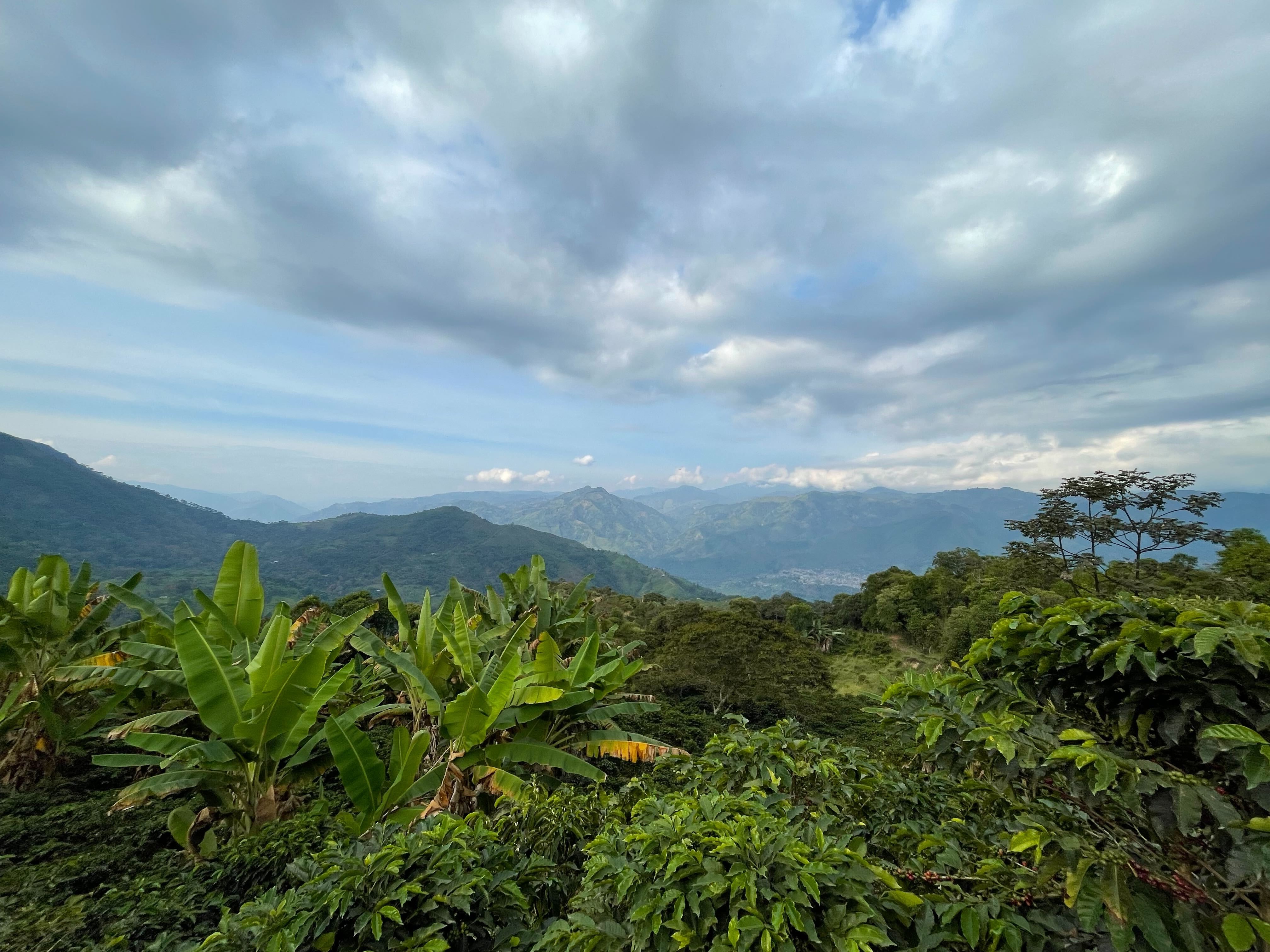
As we left the city of Bujumbura in Burundi in the late afternoon and wound up into the highlands on our way to Ngozi, where we would spend the next 3 days completing a washing station managers training, I was struck by how much everything felt like Christmas. Perhaps it was the obvious drop in temperature which left me feeling chilled for the first time since I left England almost a year ago. Or maybe it was the change in vegetation such that trees not dissimilar to the infamous Christmas Fir scattered the skyline. Or perhaps it was even the little symmetrical houses that lined the roads with their perfectly placed doors between two windows under sloping roofs that resembled those sitting on snow-covered hilltops, covered in glitter on many a traditional Christmas card. Or even the smell of dew-covered trees and smoke coming from open fires. Whatever the reason, I was excited to be in such a beautiful country after a long days drive from Kigoma!
After arriving in Ngozi, we checked into our hotel and enjoyed dinner with our hosts from Michigan State University and DAI who work on the Burundi Agriculture Project before heading to bed. On Wednesday morning we headed to the training center to meet various washing station managers, cooperative representatives and university students we had been invited to train. While I kept myself busy snapping photos and taking notes, Sustainable Harvest agronomist Thangale started the day with a great overview about Sustainable Harvest and the success of our partner, Kanyovu cooperative in Kigoma. Having definitely impressed the audience, he continued with an explanation of the managerial organization and structure of Kanyovu and the daily activities at washing stations, which were then compared to the practices in Ngozi. A great deal of knowledge, experience, challenges, and means of overcoming them was shared. After lunch, Boss presented all the different ways high-quality coffee can be achieved, covering everything from good farm practices and harvesting, right through to storage and export — from the plant to the cup. Again he received lots of questions about practices and successes in Kigoma, and it was obvious the participants learned a lot of new information.

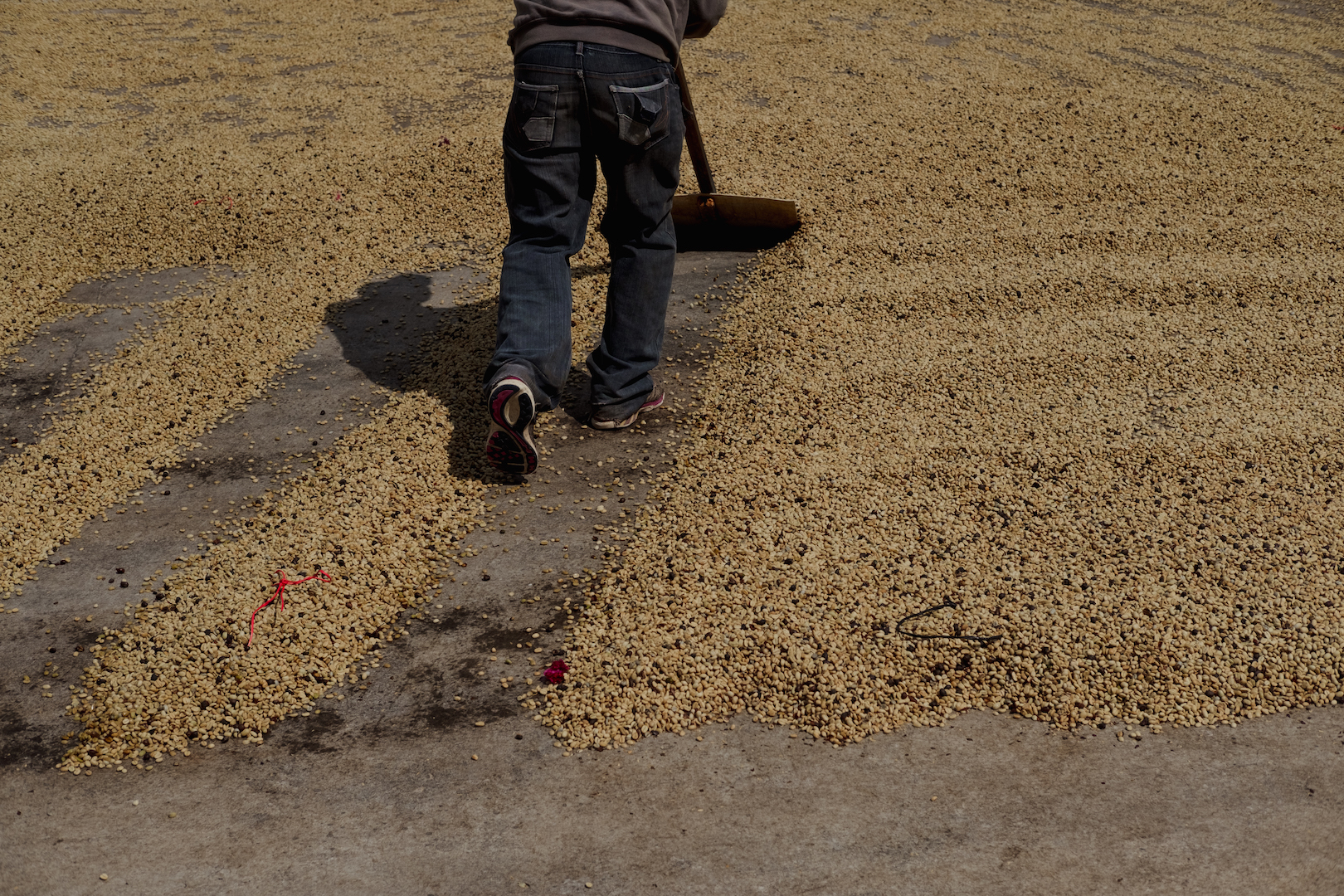
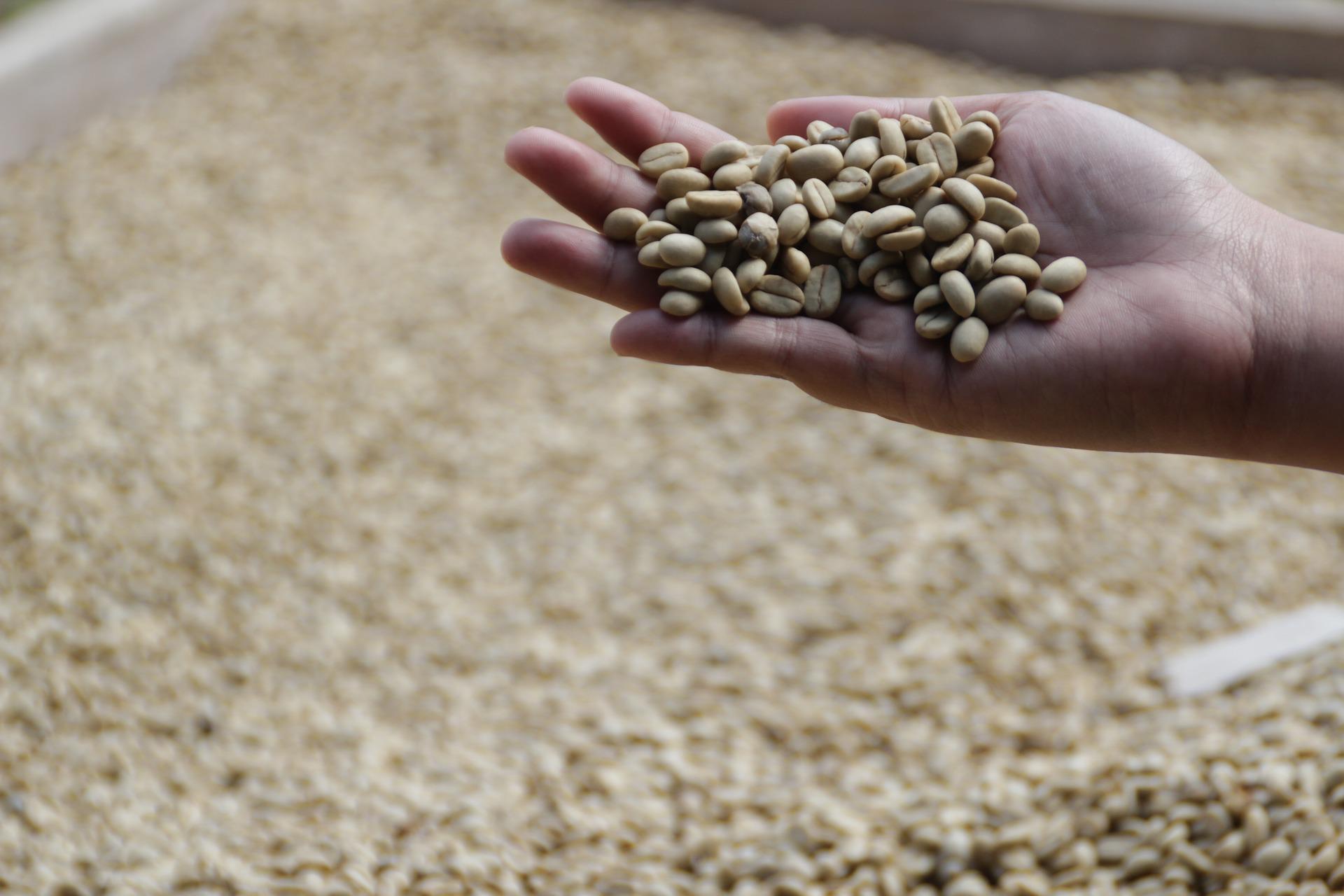
Drying tables at the washing station in the Gasura - Kirundo region of Burundi
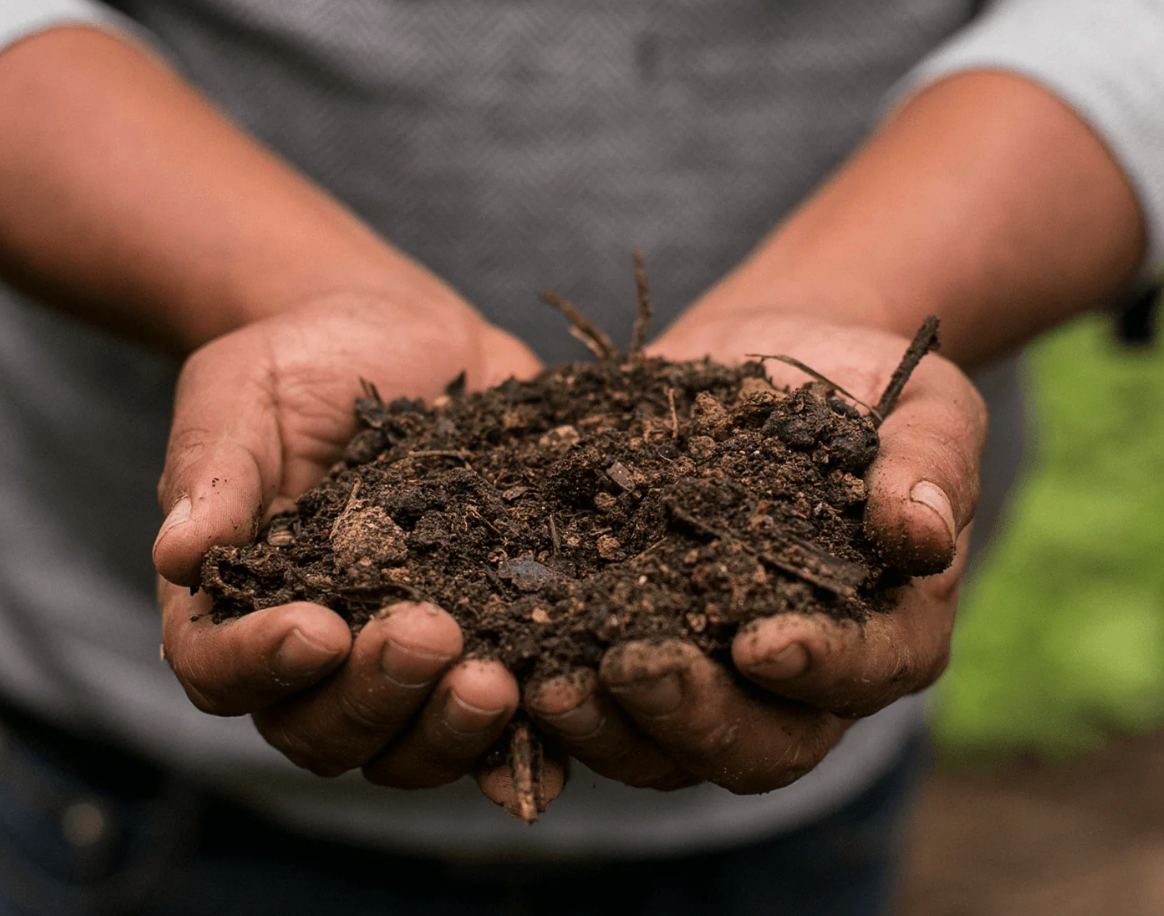
Day two commenced with a field trip to a washing station in the Gasura – Kirundo region, about half an hour from the Rwandan border. The harvest has already started there, so we got to see everything in action from fermentation to washing and finally drying. Thangale did a very interactive, practical training on how to correctly detect any defected or diseased beans that made it to the washing stage, and he emphasized the importance of eliminating such beans before the drying stage. This session was followed by a hands-on training in composting using coffee pulp.
We then headed back to the center to round out the day with a presentation on quality control systems. Again there were lots of questions about practices in Kigoma – how are sample collected, where are they cupped, by whom? etc. When we revealed the quality of Kanyovu coffee and the prices farmers earned last year, there was an air of amazement among the audience, mixed with feelings of excitement when Boss told the participants that if they follow the advice given to increase the quality of their coffee they could be in the same position in the not so distant future.

Thangale and Boss, Sustainable Harvest agronomists, teach Burundian farmers how to create organic compost fertilizers using coffee pulp
On the last morning we completed our training starting with (if I dare say) an excellent presentation by Thangale on marketing, promotions and relationships with buyers, followed by a talk on finances and (by popular demand) traceability practices in Kigoma. Before heading back to Bujumbura, we took a group photo and conducted an assessment of the training, which communicated 100% positive feedback.
Overall, our three days were full of presentations, practical training, questions, note scribbling, photos, discussions, smiles and giggles from both the Burundians and the Tanzanian staff from Sustainable Harvest. From a personal perspective, I feel very lucky to have been involved in this trip. I’ve learned a lot myself, and it was great to finally see a working washing station and visualize a lot of what has previously been just terminology to me – fermentation tanks, de-pulping, defected beans and pyramid drying, to give but a few examples. And all this with the beautiful Burundian hills as a backdrop.
- Carly Griggs, Origin Fellow in Kigoma, Tanzania