Mar 08 2010

Cupping Workshops Commence at the Center for Excellence in Lima, Peru

In late February, the first cupping workshop of the year took place at our Lima office’s new training area — the Center for Excellence. This inaugural workshop brought together twenty-five Peruvian coffee producers from twenty cooperatives for a week of intensive training and instruction in tasting and grading specialty coffee. Attendees hailed from all zones of coffee producing regions of Peru, and included co-op managers, presidents, and cuppers, providing a unique chance for the farmers to communicate and calibrate with peers who work in conditions and areas different than their own. This year, Sustainable Harvest also invited representatives from five new Peruvian cooperatives with whom we’ll work this coming harvest. The course provided these new suppliers an opportunity to meet and learn from producers who are already a part of our supply chain.

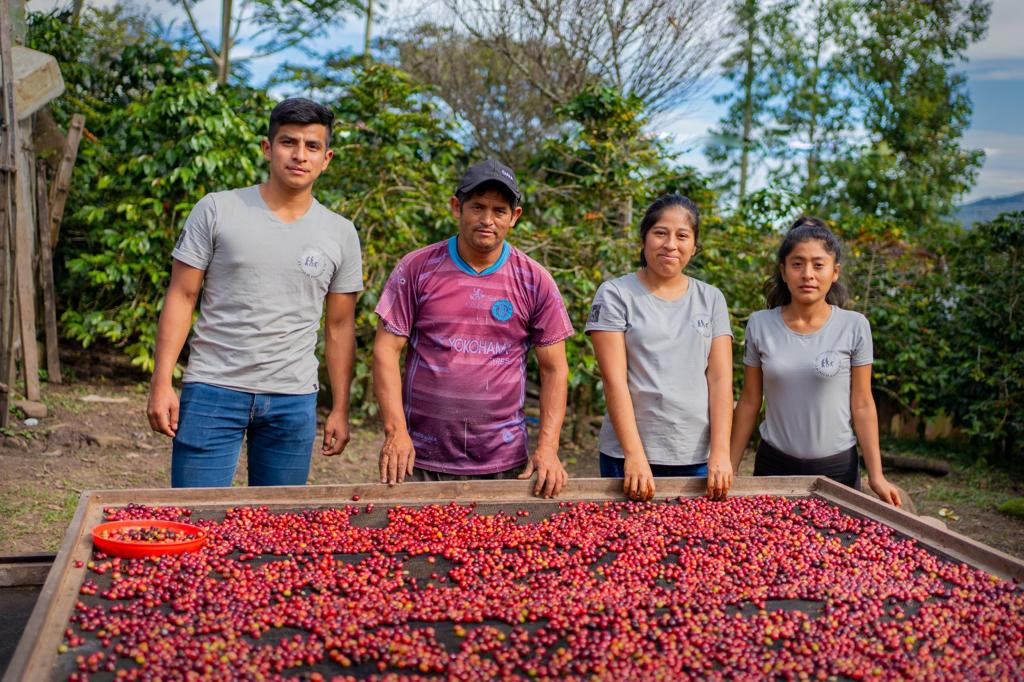
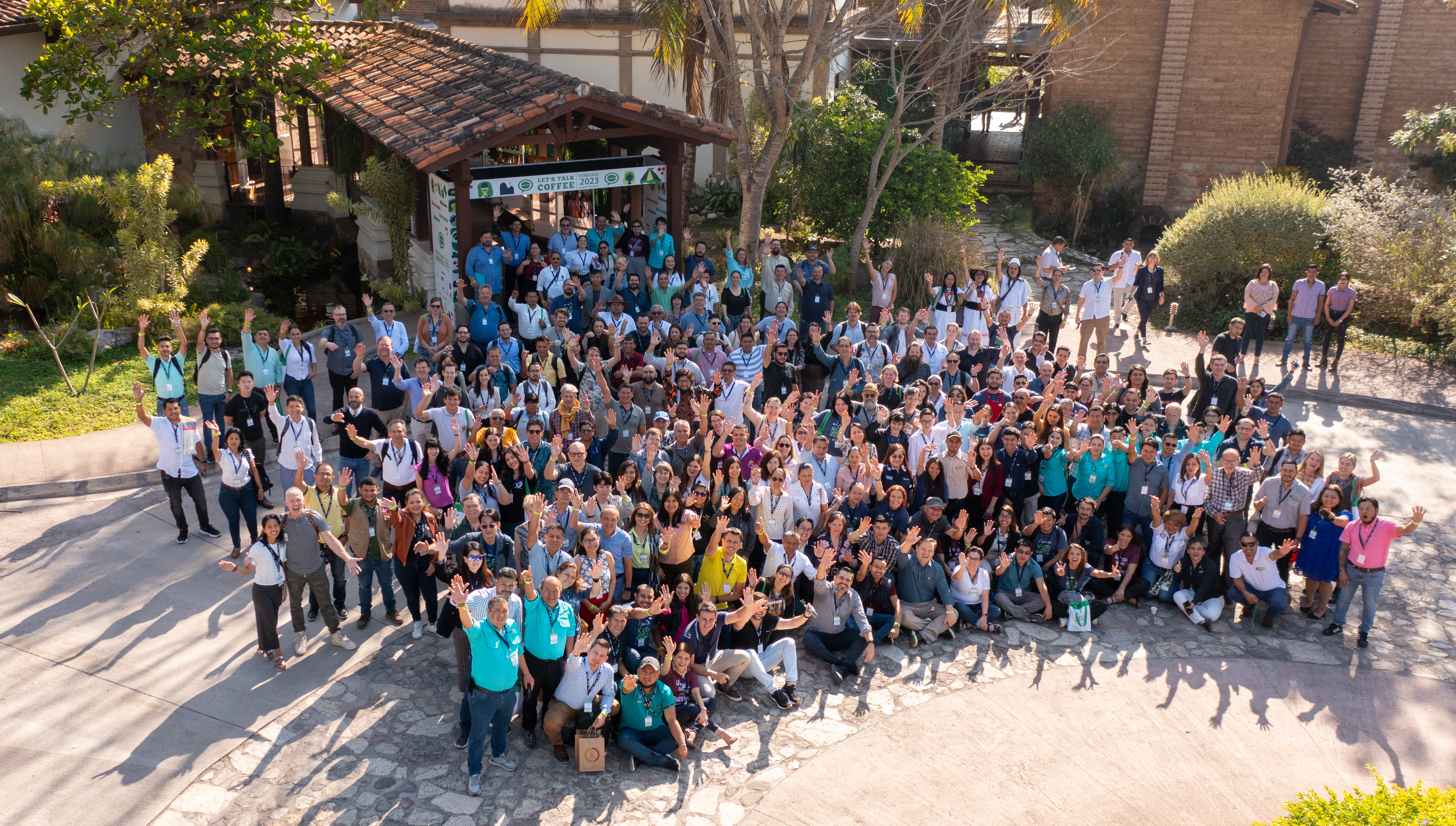
25 producers from 20 different cooperatives attended the workshop for hands-on training on coffee cupping and quality control

25 producers from 20 different cooperatives attended the workshop for hands-on training in coffee cupping and quality control

Many of the workshop participants were learning about coffee cupping for the first time. Because of this, our Peru staff focused their teaching on discovering, evaluating, and determining the many different qualities that coffee can possess: odor, taste, body, acidity, and more. For instance, participants tasted different kinds of fresh fruit, dried fruit, and spices to help them familiarize themselves with flavors that are commonly used to describe coffee.

Workshop participants tasted fruits and spices to familiarize themselves with the flavors that emerge in a high-quality cup

Workshop participants tasted fruits and spices to familiarize themselves with the flavors that emerge in a high-quality cup

Several more cupping workshops are scheduled for the coming year. These week-long training sessions help coffee producers discern the features of high-quality specialty coffee in the beans they produce. The course introduces them to the exact cupping methods used by the companies that buy and roast their coffees.

As Oscar Gonzales from Sustainable Harvest said, “In these courses, we are teaching the producers to develop the best system possible for successfully selecting the coffee they sell to their customers.” When cooperatives understand the quality of their own product, they act as the first gatekeeper for quality, catching problems as they arise and ensuring the highest quality export possible. Open lines of communication and a common understanding of coffee quality maximizes the success of everyone involved in the value chain — producers, importers, and roasters.

No responses yet

Feb 19 2010

New Faces: Peruvian Farmer Dario Roman Tells His Story

Published by wynne under South America, farmer training

Dario Ramon became the leader of the APESI coffee cooperative in San Ignacio, Peru through perserverance and dedication

Dario Ramon became the leader of the APESI coffee cooperative in San Ignacio, Peru through perserverance and dedication

About a year ago, Sustainable Harvest’s Oscar Gonzales was teaching men and women in San Ignacio, Peru how to cup coffee to evaluate its quality. Sustainable Harvest had assembled almost thirty cuppers from our suppliers in Peru and Ecuador for three days of intense training. As Oscar began the first day, a middle-aged man he didn’t know entered the room. The man pulled up a plastic chair, and, listening intently, began taking careful notes.

Later that morning, the man, with salt and pepper gray hair and a wide smile, introduced himself as Dario Roman. He asked Oscar if he could stay for the day of training. While there was no extra equipment at the training center, Oscar lent Dario a spoon with which to cup, and Angel from our staff lent him an apron to protect his shirt from splashes of coffee.

On the third day of the training course, Dario and Oscar finally sat down to talk about the coffee that Dario’s cooperative, APESI, produces. Dario wanted Sustainable Harvest’s help to sell his beans, and Oscar wanted to know more about the man who had traveled so far to participate so attentively in the training. Over lunch, Dario told Oscar the story of how he came to be the leader of APESI.

“I come from the mountains of Piura, in the north of Peru. The only thing I knew was farming,” he began. Dario married as a young man, had three children, and farmed to support his family. But things went badly: his land was not producing well and his wife died very young. Lacking an income and grieving for his wife, Dario struggled to raise his three children.

Eventually, Dario married again and moved to the town of San Ignacio, where it is said that anything can grow because of the good climate and healthy soils. There, Dario met farmers who taught him to grow a tuber called yacón. When the harvest came, Dario found he could not sell it because the market was flooded with yacón and competition was fierce. The next season, Dario planted peanuts, maintaining faith that he could succeed in San Ignacio. Dario suffered later that year as he watched a plague of ants eat his peanut crop. He wondered if he was destined to fail, but the obligation he felt to his children and his wife made him push on. Dario was desperate; yet he could not give up because he had to feed his growing family. He chose to believe that something good was just around the corner.

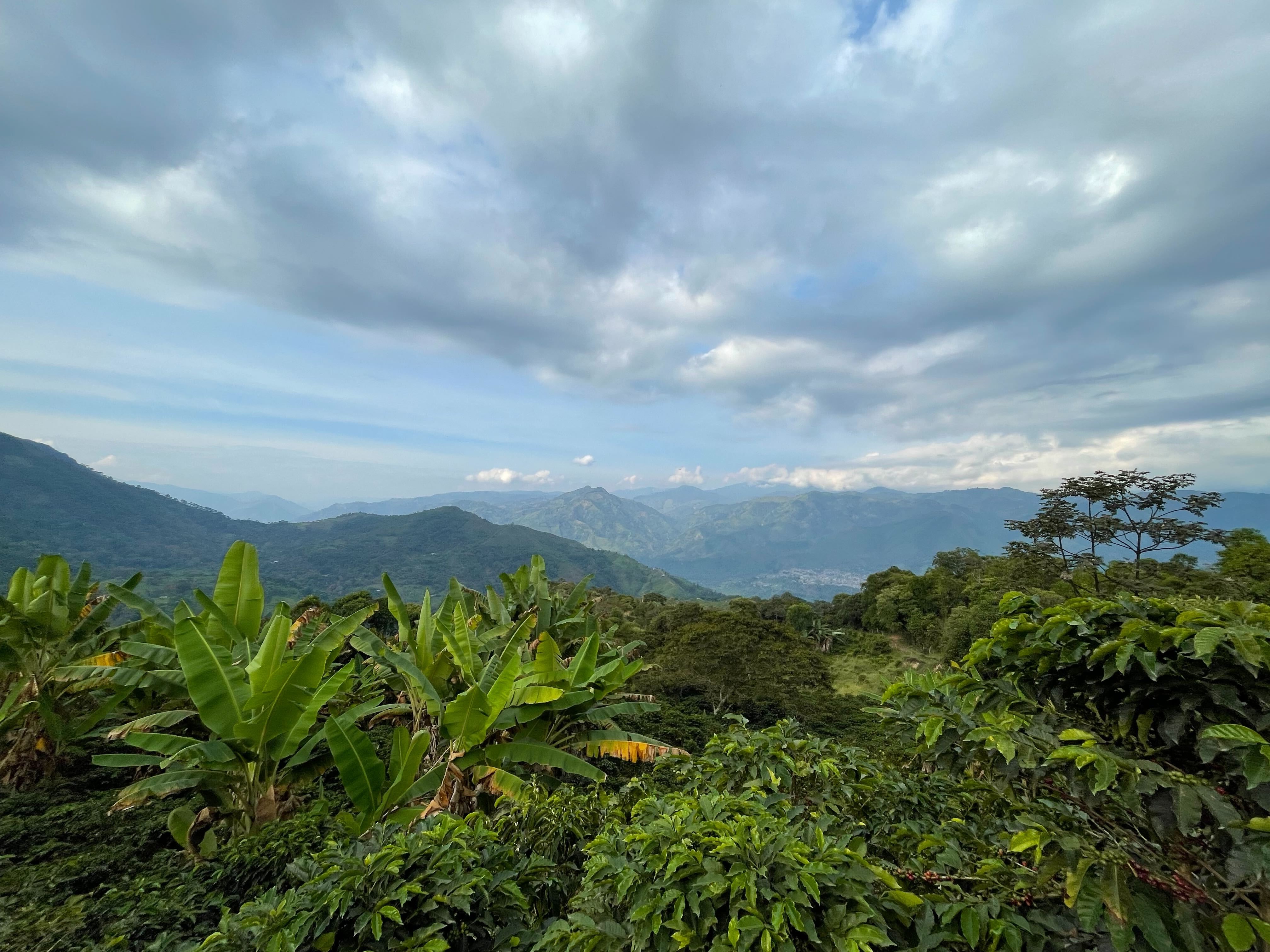
Dario and the APESI cooperative grow their coffee in the fertile hills of San Ignacio, Peru

Dario and the APESI cooperative grow their coffee in the fertile hills of San Ignacio, Peru

Dario had heard other San Ignacio farmers talk about the income they earned from growing coffee. He organized a group of his friends, and they planted coffee on their land. With dedication and effort, they learned to produce a high quality coffee. After Dario’s experience growing a crop he was not able to sell, he led his cooperative in the search for reliable, consistent markets for their coffee. He had heard from other cooperatives in San Ignacio that Sustainable Harvest would be providing a training in coffee quality.

“The training course was an opportunity I could not miss,” Dario told Oscar. He wanted to meet the staff of Sustainable Harvest. And so he arrived at the cupping training course as an eager but unknown student that first day.

One month after first meeting the team from Sustainable Harvest in San Ignacio, Dario visited our office in Lima. He traveled far to discuss the quality of APESI’s coffee and find out about the possibilities to sell APESI’s coffee through Sustainable Harvest this coming year. After cupping APESI’s coffee and witnessing Dario’s determination, Sustainable Harvest will work with APESI this year to help them develop a long-term relationship with a buyer for their coffee.

No responses yet

Feb 12 2010

Climate Change in Latin America

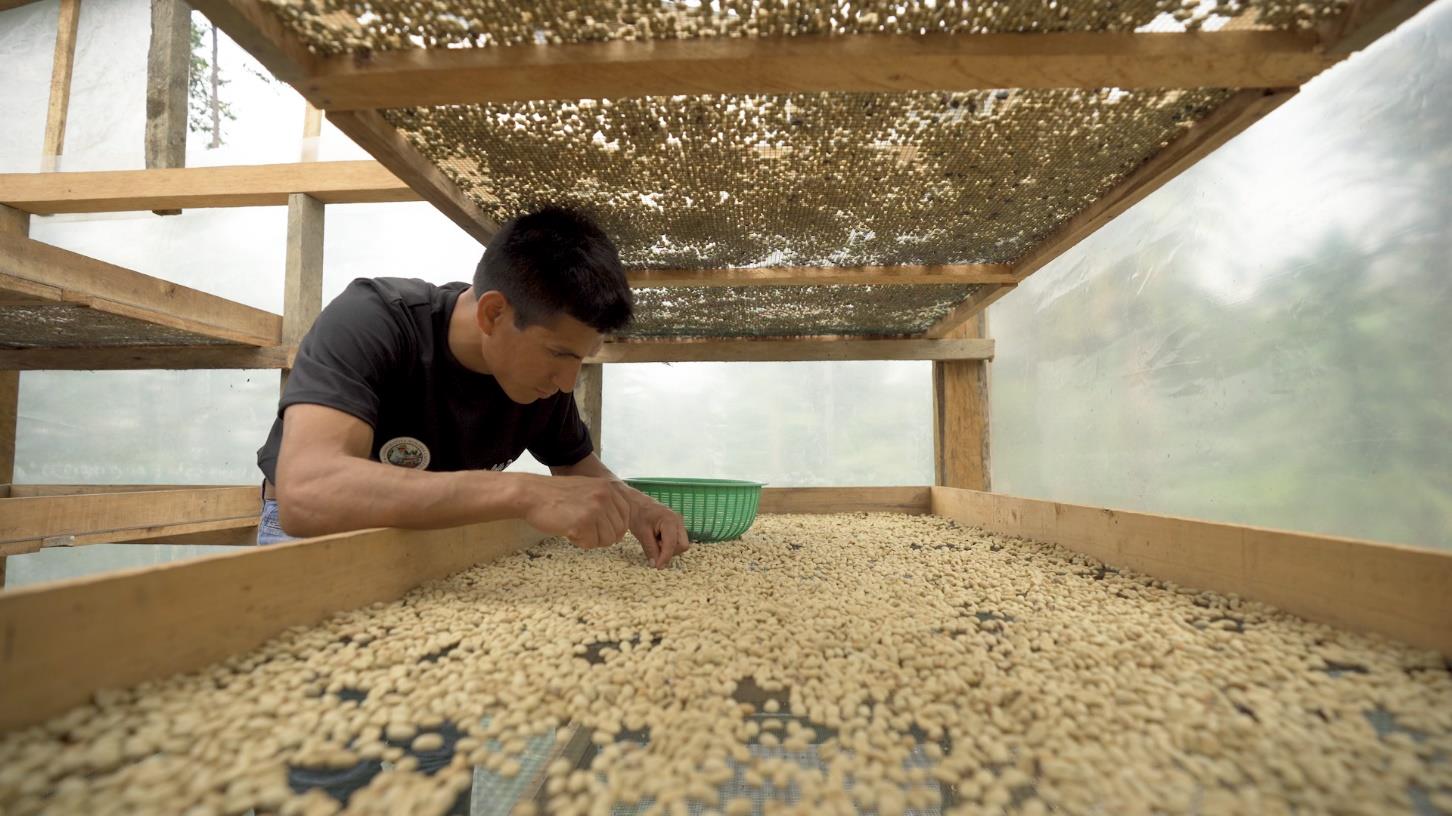
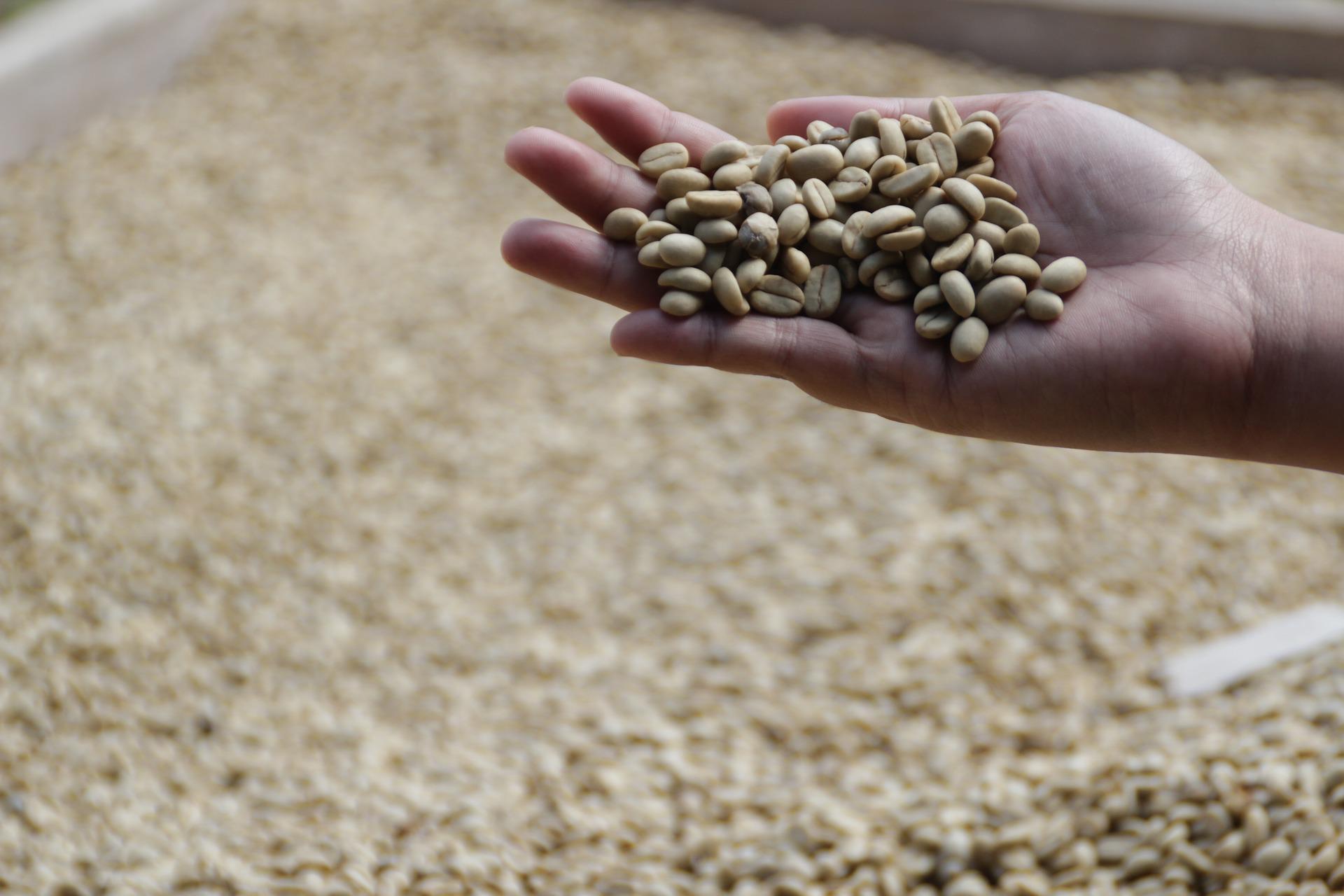
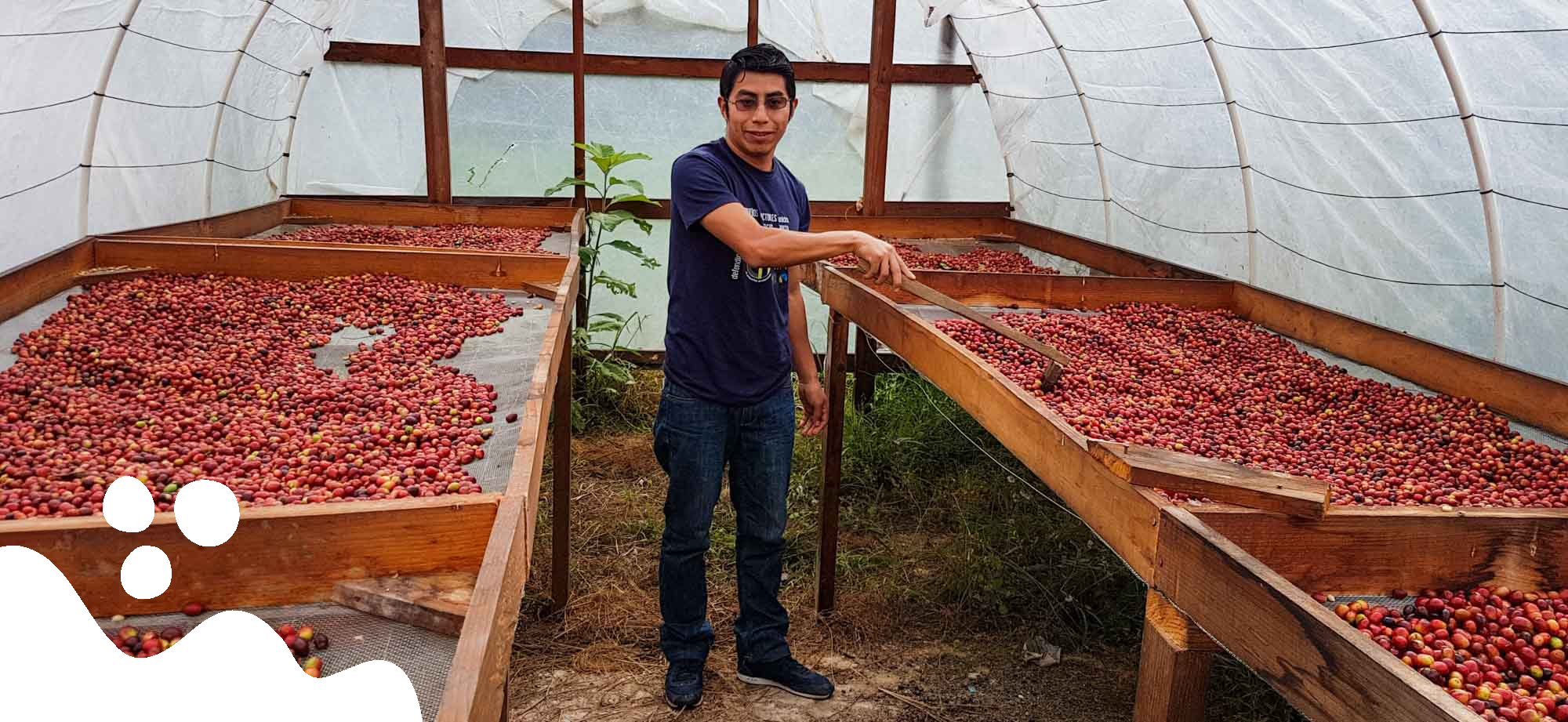
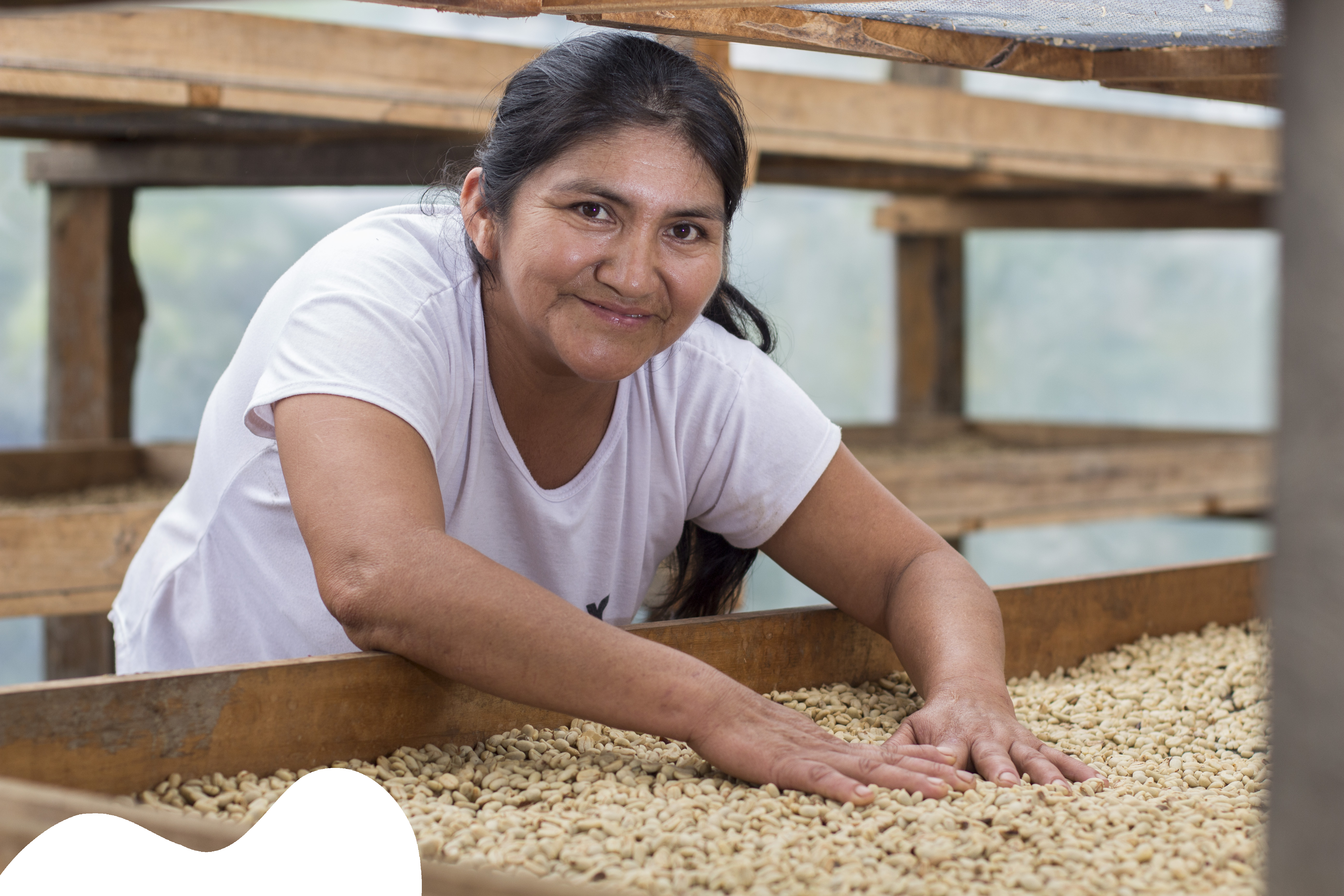
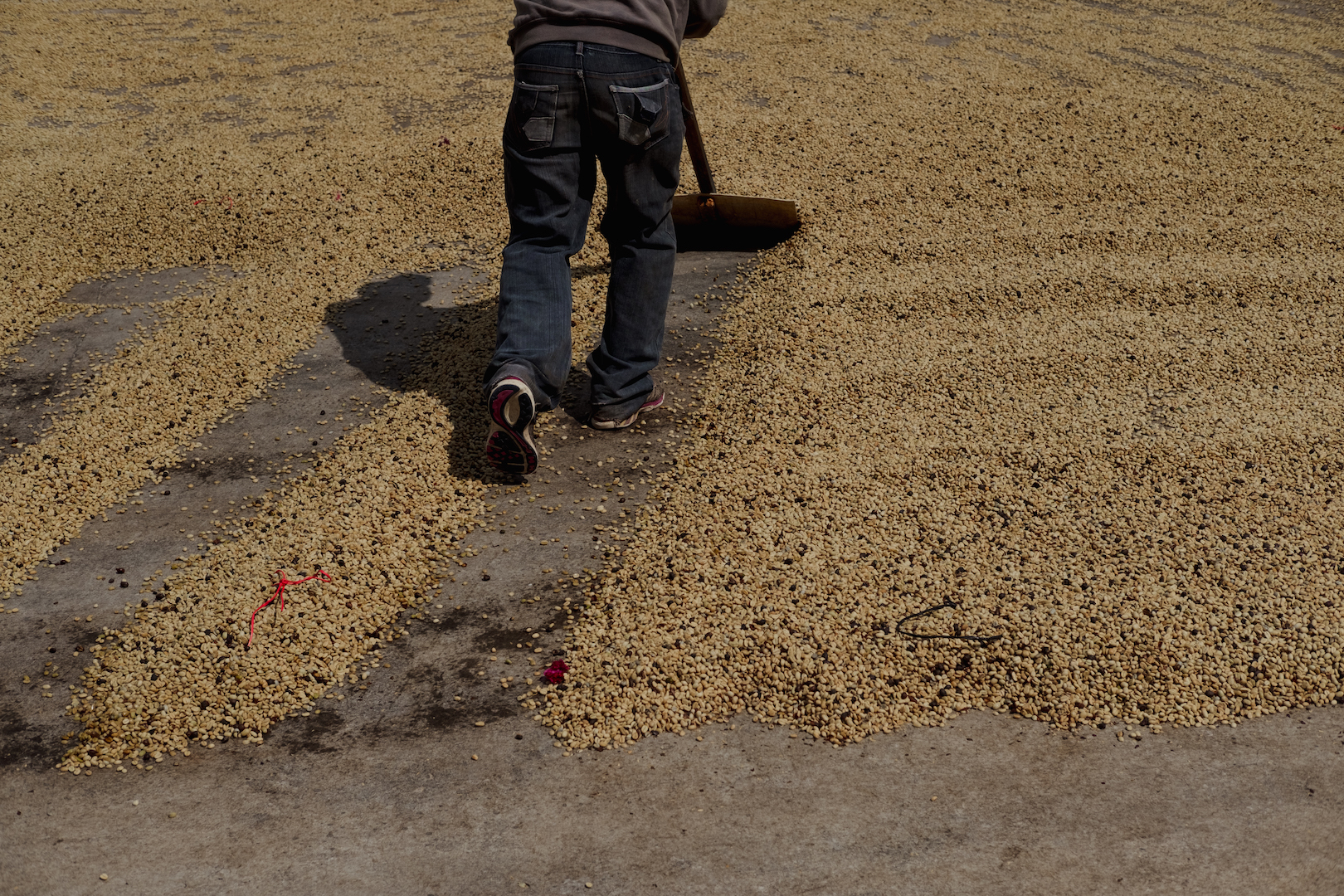
Honey coffee drying at Las Lajas farm

Honey coffee drying at Las Lajas farm

In coffee growing regions throughout the world, the effects of climate change are beginning to threaten farmers’ livelihoods established through generations of hard work. In many countries, producers are taking note and seeking ways to mitigate the worst impacts of climate change.

In Colombia, severe weather over the past few years has resulted in the lowest coffee yield in more than three decades. Warming weather contributed to heavier rainfall during the wet season, causing the growth of leaf rust on coffee plants and worsening beetle infestations. As climate change continues, Colombian coffee farmers are faced with difficult choices in the years ahead: expensive preventative measures may raise coffee prices but switching to hardier varieties can decrease cup quality. The farmers’ decisions will affect the global coffee market.

In Costa Rica, Sustainable Harvest’s supplier partners face similar challenges as a result of climate change. Coffee farmer Minor Corrales, a member of the AFAORCA farmers’ association in Tarrazú, has seen the regular patterns of rain and sun that his father and grandfather relied on for decades replaced by more unpredictable and extreme weather. The region experienced unusually warm weather last December and January, resulting in an earlier harvest as cherries ripened faster than normal. North of San José, the family-owned farm Las Lajas sells a sun-dried honey coffee that is increasingly difficult to produce as periods of sunlight become less predictable and consistent.

Across coffee growing regions of Latin America, the timing of planting, harvest, and drying carefully honed over generations to produce the best yield and quality for each unique micro-climate may no longer be applicable. Although many farmers have so far been able to adapt to minor deviations from normal temperature and rainfall patterns, the increasing pace of such changes will make it more difficult to adjust in the future.

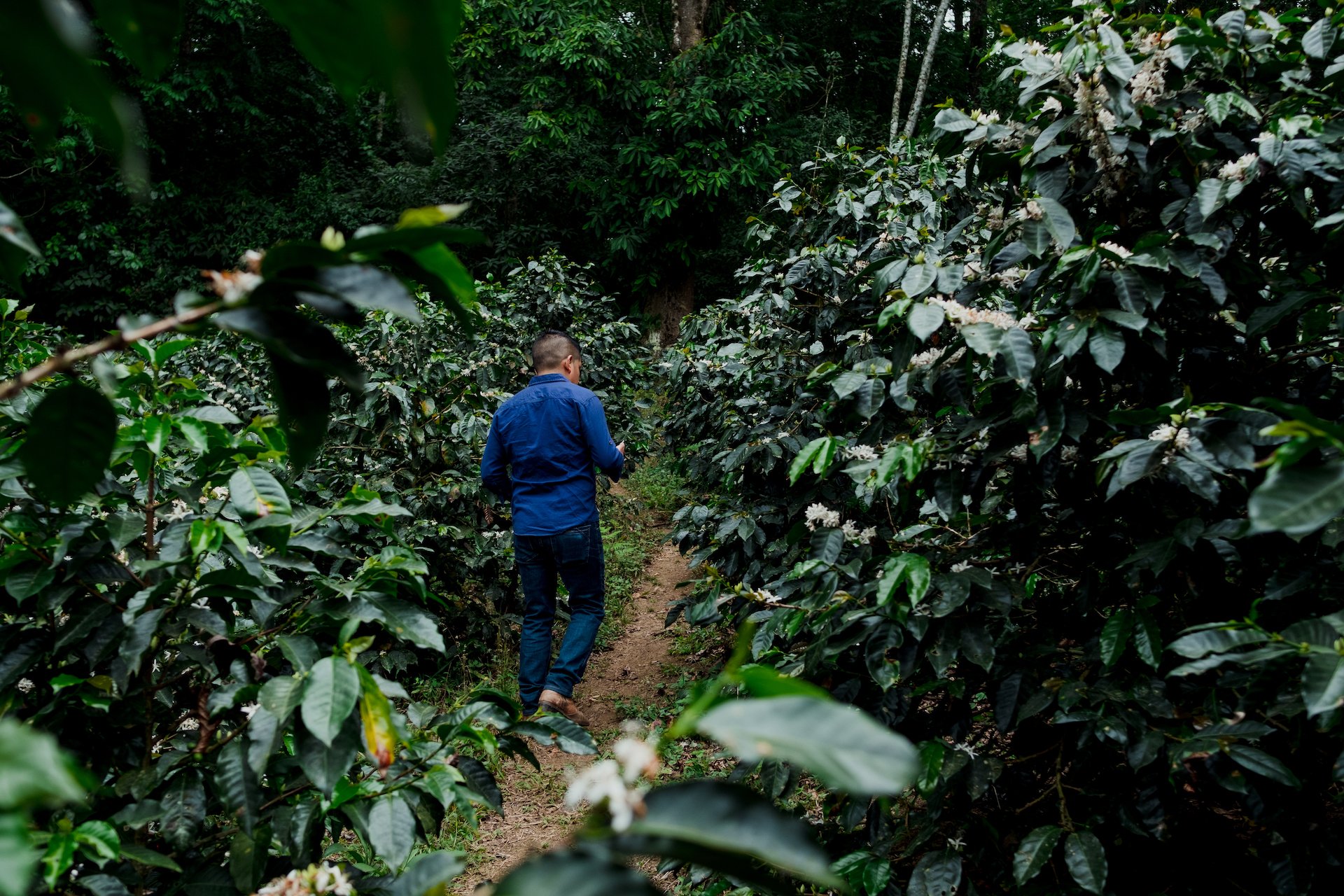
Harvesting shade-grown coffee

Harvesting shade-grown coffee

Sustainable Harvest is working with farmers and other stakeholders to identify ways to reduce the impact of climate change on coffee growing communities. In unforested areas, one possible approach is to plant shade trees over coffee plants to reduce local temperature variations. Both environmental and economic measures are necessary. By establishing transparent market linkages, providing training in quality, and assisting with organic or Fair Trade certifications that bring higher prices, Sustainable Harvest also helps ensure that farmers have the income security to survive a poor harvest. We’re also helping farmers in Central America diversify their farms with special attention to improving their families’ food security. That way, even if the coffee yield is lower in a given year, farmers will still be able to adequately feed their families. Although climate change poses significant challenges to coffee farming communities, we hope to reduce those risks through collaborative efforts to find, introduce, and support innovative approaches in Latin America and worldwide.

No responses yet

Feb 01 2010

Snapshots from Mexico: Emerging Women Leaders

Clemente Santiago Paz, Sustainable Harvest’s staff agronomist in Mexico, recently returned from visiting our supplier partners located throughout southern Mexico. While on the road, Clemente received first-hand updates from the farmers, who are busy harvesting their coffee. Clemente was especially struck by the participation of women in the cooperatives he visited — this year, several women have been newly elected or appointed to leadership positions. Increasingly, women are beginning to fill roles in cooperatives that were previously held by men. As the Mexico harvest goes into full swing, we would like to introduce a few of the women working behind the scenes to bring us high quality coffee from Mexico:

Señora Francisca García Rivera

Señora Francisca García Rivera

Francisca García Rivera

This past October, Francisca García Rivera became a member of the directors council for the Huatusco Cooperative; she is the first women ever to have this position. Huatusco members recently elected a new board of directors, and the President made it a priority to appoint Rivera to the director’s council soon after taking his new post. Rivera owns 2.5 hectares of land in the coffee-producing region of Quapol, Veracruz, Mexico, and comes from a family of coffee producers.

Señora Mirsa Indira Roblero Ramirez

Señora Mirsa Indira Roblero Ramirez

Mirsa Indira Roblero Ramirez

At the Cooperative Triunfo Verde in the state of Chiapas, Mexico, Mirsa Indira Roblero Ramirez was recently elected by members of her community to be their  representative. The first woman representative ever to be elected at Triunfo Verde, Ramirez is in charge of coordinating the work of 29 co-op members, supporting the co-op as it completes its organic inspections, and coordinating the work of the cooperative’s 30,000-plant nursery.

Señora Silvia Roblero Torres

Señora Silvia Roblero Torres

Silvia Roblero Torres

When Silvia Roblero Torres began working at CESMACH cooperative in southern Chiapas, Mexico, in 2003, she was the first woman to ever work there. She quickly proved herself just as capable as the male staff, and now works as an agronomist and internal control officer for the cooperative. She is also in the process of becoming a certified organic inspector. Silvia has taken a particular interest in supporting the women farmers who are part of the cooperative. She helped them organize themselves into groups and offers the women’s groups training and support to develop skills that can help them increase their incomes.


No responses yet

Jan 22 2010

Costa Rica: Quality and Scale

dscn11361

Katie Gilmer and Don Fernando of Coocafe

Katie Gilmer, a relationship coffee manager at Sustainable Harvest, recently traveled to Costa Rica to gather information on best practices at coffee mills to share with our network of suppliers. Her experience on the trip illustrates the tangible benefits resulting from a focus on quality, no matter the mill’s scale.

She started off with a visit to a large, traditional dry mill. The mill processes hundreds of thousands of pounds of coffee each day, and it was evident that quality control at that scale is difficult to manage. She said, “The coffee cherries passed through dirty channels before being fermented, and were then dumped in mechanical dryers fired by entire tree trunks.”

Afterward, Katie visited one of our suppliers, the family-owned farm and mill Las Lajas in Alajuela. Katie said, “The difference made quite an impact on me. Las Lajas is a small farm with an ecological mill where the Chacon family makes sure that everything is clean and meets the highest standards for quality. After seeing a mill where everything is mechanized, the more artisanal Las Lajas process exemplified how a personal touch can really matter for the quality of the coffee. The larger, more efficient mill employed 60 people and probably processed 200 times what Las Lajas does with 12 people. But I would prefer to drink the coffee from Las Lajas.”

dscn09981

Francisca Chacon of Las Lajas farm with her children

While attention for quality is simpler at a small mill like Las Lajas, a visit to the Coocafe mill in Heredia provided Katie with examples of the kinds of systems and machinery that can process coffee at a medium scale while still prioritizing quality. The mill is owned and operated by a consortium of  co-ops, who take great pride in their coffee’s quality. When staff like Katie facilitate the spread of best practices across our network of suppliers, ideas developed at any scale may end up creating big benefits for coffee farmers and consumers.

No responses yet

Next »